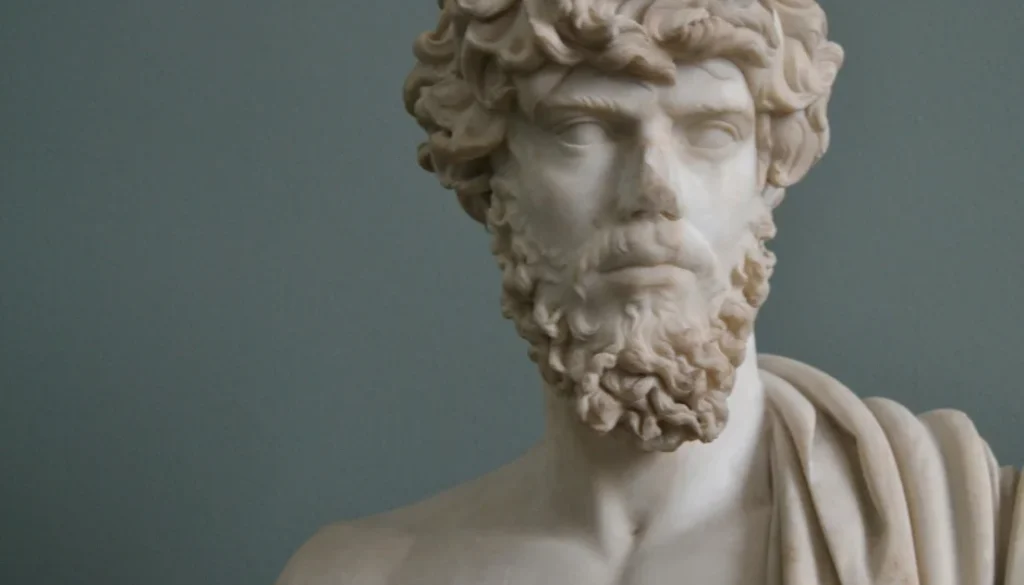
Who Was Epictetus? The Stoic Philosopher Who Mastered Resilience
Epictetus (c. 50–135 AD) was one of history’s most influential Stoic philosophers, known for his teachings on personal freedom, resilience, and inner peace. Born into slavery in the Roman Empire, he rose above his circumstances to become a revered thinker whose ideas still resonate today. His philosophy emphasizes controlling what we can, accepting what we can’t, and living with wisdom and virtue.
From Slavery to Wisdom: The Life of Epictetus
Epictetus spent his early years as a slave in Hierapolis (modern-day Turkey), serving a wealthy Roman master named Epaphroditus. Despite his hardships, he studied Stoic philosophy under Musonius Rufus, another prominent Stoic teacher.
After gaining his freedom, Epictetus began teaching philosophy in Rome until Emperor Domitian banished all philosophers from the city in 93 AD. He then founded his own school in Nicopolis, Greece, where he spent the rest of his life mentoring students, including the future historian Arrian, who transcribed his teachings into the Discourses and the Enchiridion (Handbook).
Core Teachings of Epictetus
Epictetus’ philosophy centers on self-mastery and emotional resilience. Some of his key principles include:
1. “Some things are in our control, others are not.”
-
What we control: Our thoughts, judgments, and actions.
-
What we don’t control: External events, other people’s opinions, and fate.
-
“Happiness and freedom begin with understanding this distinction.”
2. “It’s not what happens to you, but how you react that matters.”
-
Suffering comes not from events but from our interpretation of them.
-
By training our minds, we can remain calm in adversity.
3. “First say to yourself what you would be, then do what you have to do.”
-
Self-discipline and consistent action are key to personal growth.
4. “Wealth consists not in having great possessions, but in having few wants.”
-
True freedom comes from detachment from material desires.
Epictetus’ Legacy in Modern Psychology & Self-Improvement
His ideas heavily influenced Cognitive Behavioral Therapy (CBT), particularly the concept that our thoughts shape our emotions. Modern Stoics, like Ryan Holiday and Massimo Pigliucci, continue to apply his teachings to overcome challenges in business, leadership, and personal life.
Famous Quotes by Epictetus
Why Epictetus Matters Today
In an age of constant distraction and anxiety, Epictetus’ philosophy offers practical tools for resilience. His teachings remind us that while we can’t control life’s events, we can always control our response—leading to greater peace, strength, and freedom.