The Newcomer’s Handbook: Building Trust, Emotion, and Identity for Your Brand
In a crowded market, your brand isn’t just what you sell—it’s the story you tell, the emotions you evoke, and the trust you earn.
For a newcomer brand, the marketplace can feel like a noisy, intimidating arena. Competing isn’t just about having a better product; it’s about building a meaningful connection with an audience that doesn’t know you yet. This connection is built on a powerful trifecta: trust, emotional benefits, and identity signals. This guide breaks down these complex concepts into a practical, actionable handbook, providing the deep research and minute details you need to build a brand that resonates, converts, and endures.
The Psychological Foundation: Why Your Brand Needs More Than Utility
People don’t just buy products; they buy better versions of themselves. While functional utility is your price of entry, the psychological drivers of consumer behavior are what build lasting loyalty.
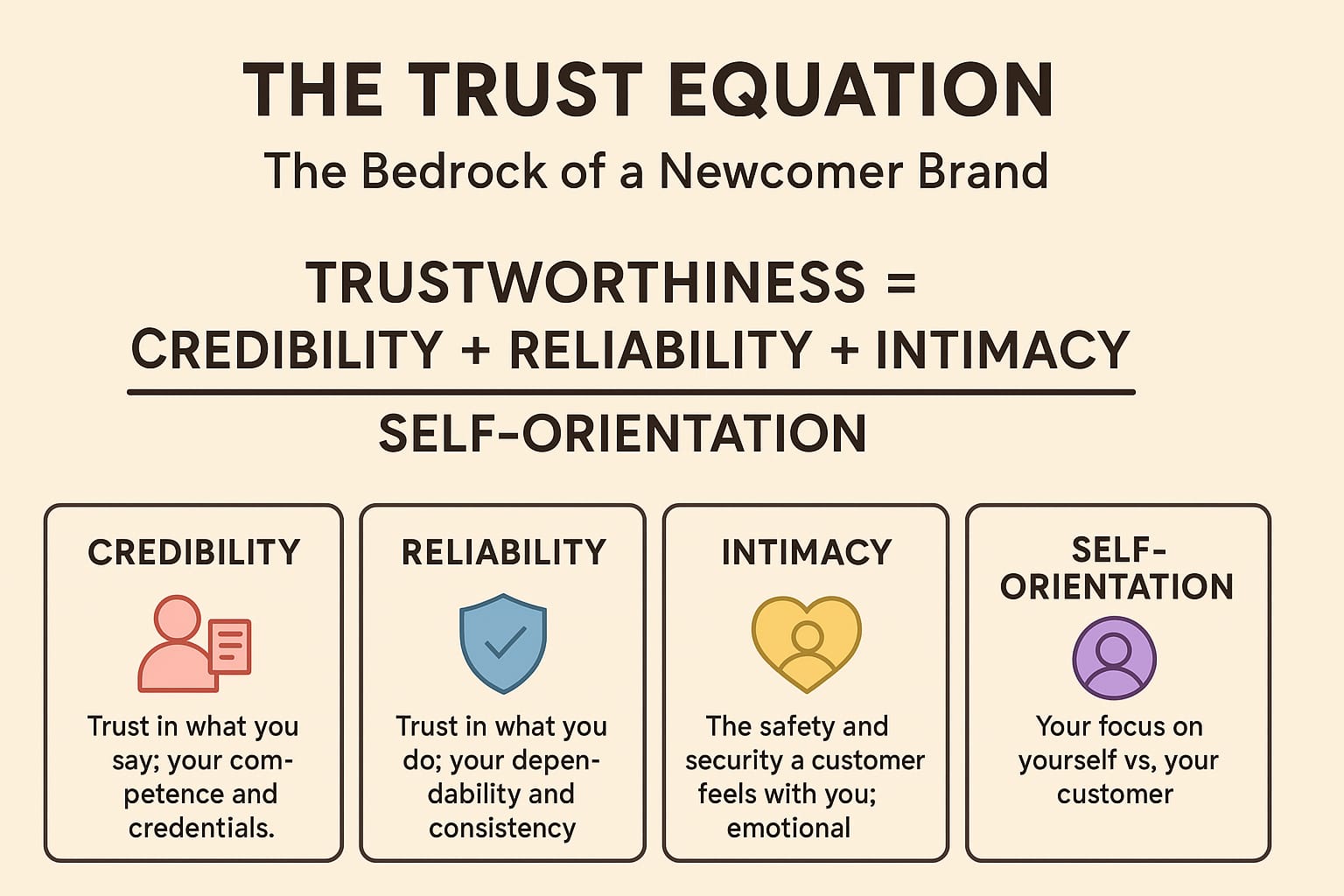
· The Trust Equation: Trust isn’t a vague concept. It can be understood as a formula: Trustworthiness = (Credibility + Reliability + Intimacy) / Self-Orientation . Your goal is to systematically maximize the numerator (by being credible, reliable, and intimately familiar to your customer) while minimizing the denominator (by focusing on their needs, not just your own).
· The Mere Exposure Effect: This well-documented psychological principle states that we tend to develop a preference for things merely because we are familiar with them . Repeated, consistent exposure to your brand builds comfort and makes customers more likely to choose you over an unfamiliar competitor.
· Reducing Cognitive Load: In a world saturated with choices, a familiar brand acts as a mental shortcut . It simplifies decision-making for your customers, reducing their “decision fatigue” and making the path to purchase feel effortless and safe.
Building Unshakeable Trust: A Practical Framework
For a new brand, trust is your most valuable currency. It must be demonstrated through every customer interaction.
1. Demonstrate Credibility with Proof and Expertise
Credibility is about proving you know what you’re talking about. This is especially critical if your products relate to well-being or finances (so-called “YMYL” – Your Money, Your Life topics) .
· Showcase Credentials: If you or your team have relevant expertise, highlight it. Feature author bios with qualifications on your blog and “About Us” page .
· Cite Authoritative Sources: Back up your claims with data from reputable studies or institutions. This shows you’ve done your homework and aren’t just making things up .
· Leverage Structured Data: Implement schema markup (like Organization, Person, or Review schema) on your website. This helps search engines like Google understand and display your credentials in search results, building technical credibility .
2. Cultivate Intimacy by Being Human and Accessible
Intimacy refers to the safety and security a customer feels with you. For a solo founder, this is your superpower.
· Tell Your Founder Story: Share your “why” authentically. Why are you building this brand? What problem did you personally experience that you’re now solving for others? This transforms you from a faceless entity into a relatable person .
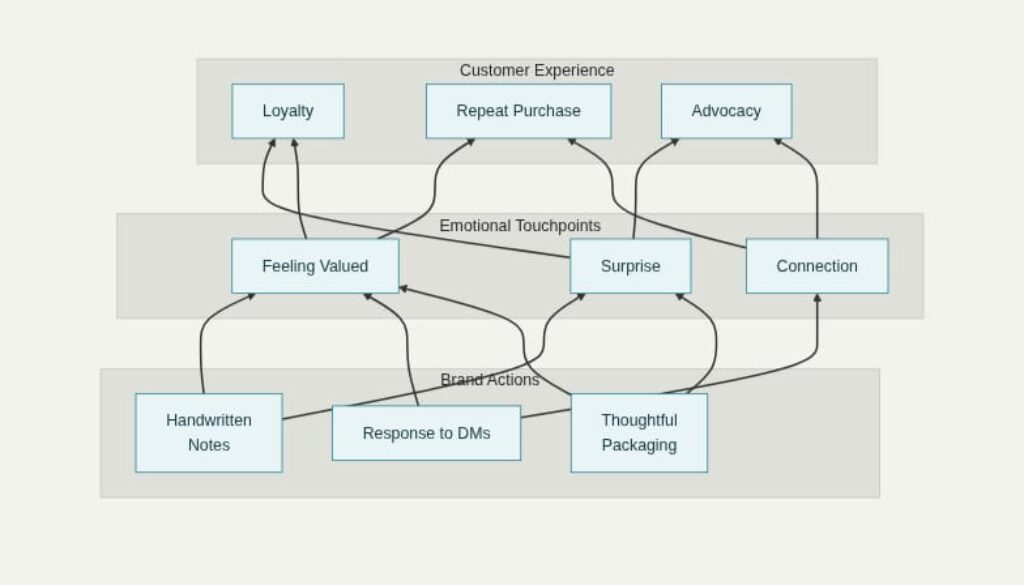
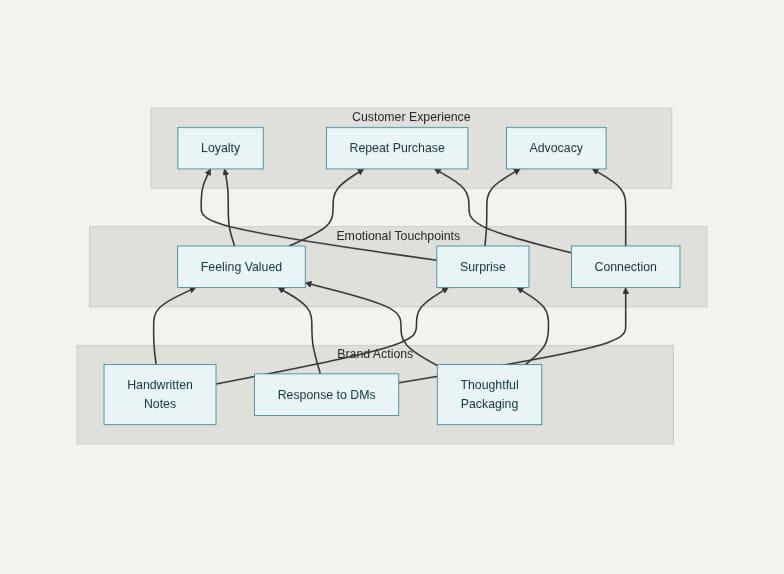
· Personalize Customer Interactions: Go beyond automated emails. Use handwritten thank-you notes, respond personally to DMs and comments, and create a “Founders Circle” or early-adopter group for your first customers to make them feel seen and valued.
· Radical Transparency: Be open about your processes, sourcing, and even challenges. Admitting a small mistake and handling it gracefully can build more trust than pretending to be perfect.
3. Ensure Reliability Through Consistent Execution
Reliability is the consistency of your brand promise. It’s built through a thousand small, repeated actions.
· Under-Promise and Over-Deliver: If you promise shipping in 48 hours, aim to do it in 24. Consistently beating expectations is more powerful than occasional grand gestures.
· Maintain Visual and Messaging Consistency: Ensure your logo, colors, tone of voice, and overall aesthetic are uniform across your website, packaging, social media, and ads . This consistency creates a coherent and dependable brand world.
· Create a Flawless Post-Purchase Experience: A smooth, no-questions-asked return policy, proactive shipping updates, and prompt customer support turn a potentially negative experience into a powerful trust-building moment.
Engineering Emotional Benefits: Beyond ‘Feeling Good’
Emotional benefits are the positive feelings customers experience when they use your product or interact with your brand. They are the bridge between a transaction and a relationship.
The Three Levels of Emotional Design
To engineer emotion systematically, design for three cognitive levels:
· Visceral (The Gut Reaction): This is the immediate, subconscious reaction to your brand’s aesthetics.
· Action: Invest in premium, brand-aligned packaging. The unboxing experience should feel like receiving a gift. Ensure your website is visually appealing and easy to navigate from the first click.
· Behavioral (The Feeling of Use): This is the feeling that arises during the actual use of your product—satisfaction, competence, ease.
· Action: Ensure your product is not only functional but a joy to use. A T-shirt that retains its perfect fit after 50 washes makes the user feel smart and assured. A kitchen knife that stays sharp makes the home cook feel capable.
· Reflective (The Long-Term Meaning): This is the story the customer tells themselves about why they bought your product. It’s where your brand story and values create lasting resonance.
· Action: Frame your marketing around the reflective outcome. For example, don’t just sell “100% organic cotton,” sell “the peace of mind that comes from wearing something pure against your skin.”
Framing Your Value Proposition
Translate every feature into an emotional outcome using this simple framework:
Feature | Functional Benefit | Emotional Benefit |
Ergonomic Handle | Better grip and control | The confidence of effortless, comfortable use |
Natural Cotton Blend | Breathable, skin-safe fabric | The feeling of being cared for and comfortable in your own skin |
Limited "Founders Edition" | Only 100 units available | The pride and exclusivity of being an insider and early supporter |
Crafting Powerful Identity Signals: Building Your Tribe
Identity signals allow customers to communicate who they are through what they buy. Your brand becomes a badge.
1. Create a Values-Based Micro-Tribe
You can’t be for everyone, and that’s your strength. Build a community around shared values.
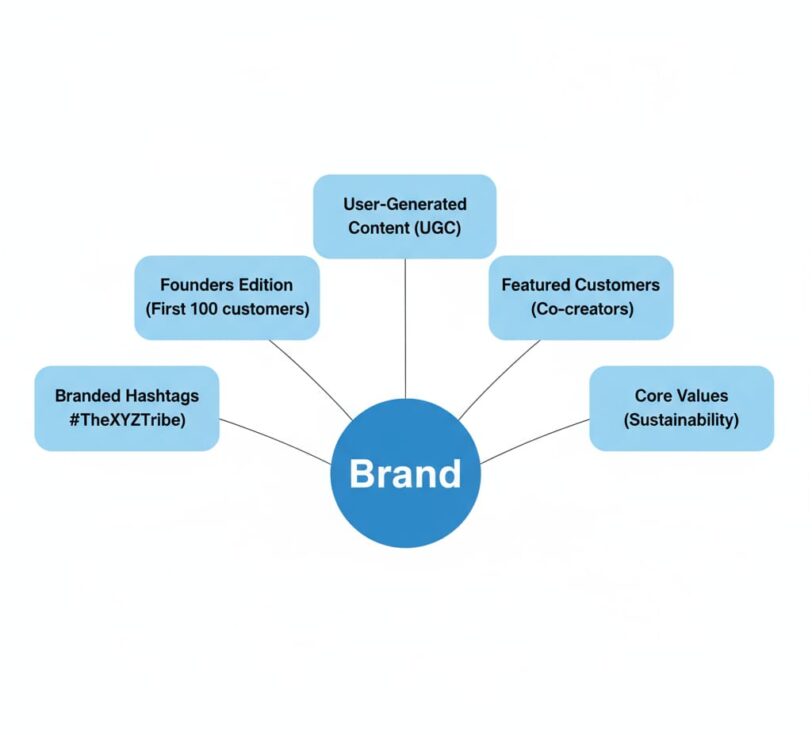
· Define Your Core Value: Are you for the “sustainable minimalist,” the “relentless creator,” or the “ethical adventurer”? Clearly articulate what you stand for .
· Use Branded Hashtags: Create and promote a hashtag like #TheXYZTribe or #MoveWithPurpose to encourage community content and make members feel like they belong to an in-group .
· Foster User-Generated Content (UGC): Actively encourage customers to post themselves using your product and feature them on your page. This makes them co-creators of your brand’s story.
2. Understand the Spectrum of Brand Prominence
Brand prominence refers to how conspicuously your brand marks or logo is displayed on your product . Understanding this helps you target the right audience.
· Loud Branding (High Prominence): Uses large, visible logos. This appeals to “parvenus” and “poseurs”—those who want to align themselves with a group and signal their membership clearly and publicly .
· Quiet Branding (Low Prominence): Uses subtle or no logos. This appeals to “patricians”—those who pay a premium for signals that only other insiders can recognize, creating a sense of exclusive belonging .
3. Leverage Scarcity and Exclusivity
Scarcity creates status by leveraging the fear of missing out (FOMO).
· Launch Limited Drops: Create a “Founders Edition” of your product with only a limited run. Market it as a collector’s item for your earliest supporters. The message is: “Not everyone can have this, but you can.”
· Create an Insiders’ List: Offer early access to new products or sales to a dedicated email list or members of your community platform. This rewards loyalty and strengthens the identity of being a core fan.
Integrating Trust, Emotion, and Identity: A Complete Example
Let’s see how all three elements work together in a launch plan for a hypothetical athleisure brand, “Aether Moves.”
Trust Building:
· Credibility: Website content cites scientific studies on the benefits of the natural fabrics used. Founder bio highlights a background in textile engineering.
· Reliability: A clear, simple “No-Sweat Returns” policy is prominently displayed. Shipping is consistently within the promised 48-hour window.
· Intimacy: The founder hosts a live Q&A on Instagram before the launch to answer questions personally.
Emotional Benefit Engineering:
· Visceral: Products are shipped in minimalist, reusable linen bags. The website features clean, serene photography.
· Behavioral: The fabric is marketed as “forgetting you’re wearing it,” emphasizing the feeling of unrestricted freedom and comfort.
· Reflective: The tagline is “For a life in motion,” framing the product for those who value fluidity between work, life, and fitness.
Identity Signaling:
· Tribe Creation: The brand champions “mindful movement” and uses #TheAetherTribe. It partners with yoga and wellness micro-influencers who embody this value.
· Brand Prominence: Logos are small and discreet, appealing to an audience that values subtlety over loud displays—the “patricians” of the wellness world.
· Scarcity: The first product drop is a limited-run color, “Founder’s Olive,” available only to the first 500 customers.
By viewing your brand through the lenses of trust, emotion, and identity, you move beyond selling a product to building a meaningful, lasting asset. This is the ultimate playbook for a newcomer aiming not just to compete, but to connect.
Frequently Asked Question (FAQs)
Trust is built on a foundation of credibility, reliability, and intimacy. The Trust Equation framework is a powerful way to understand this. It defines trustworthiness as (Credibility + Reliability + Intimacy) divided by Self-Orientation. This means you must demonstrate expertise, deliver consistently, and create emotional safety, all while keeping the customer’s needs first.
Focus on your unique story and proof. Showcase your founder’s expertise, share customer testimonials and case studies, and be radically transparent about your processes and sourcing. For a new brand, authenticity and a clear “why” can be more compelling than a large marketing budget.
Customer service is just one slice of the overall customer experience. As experts note, customer service is reactive (like a safety net), while customer experience is the entire proactive journey—from discovering your brand to unboxing a product and feeling a part of your tribe.
Design for three levels: Visceral, Behavioral, and Reflective. A product should be aesthetically pleasing (Visceral), a joy and easy to use (Behavioral), and make the customer feel proud or aligned with their values (Reflective). This layered approach transforms a simple transaction into a meaningful connection.
People don’t just buy products; they buy memberships to tribes. By clearly stating your brand values (e.g., sustainability, community), you attract customers who share those values. Owning your product becomes a badge that says something about who they are, creating incredibly loyal advocates.